
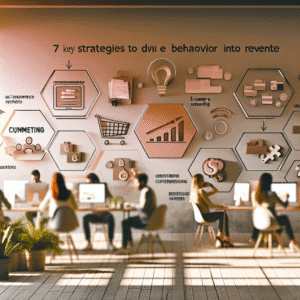

The Secret to Boosting Ecommerce Sales
Ecommerce teams are swimming in data these days. There's everything from traffic spikes to bounce rates pinned on big dashboard screens. But somehow, growth seems just out of reach. It's like being surrounded by ingredients but not quite finding the recipe. The truth is, numbers show what's happened, not why.
To grow, it’s not enough to track behaviour — you have to understand it. When analytics start revealing customer intent, you’ll see a real change.
Let’s look at some strategies to change those clicks into actual customers.
Why Is Behavioural Data a Goldmine?
Think of it like this. Imagine having a dozen chefs scribbling down notes on your dining preference but no one’s serving the meal. That's what most brands do with ecommerce data. They collect a pile of stats but miss the bigger picture.
Vanity stats like sessions and time on site sound great. But do they really predict if you'll sell more T-shirts? Not really. It's the little clues, like how often someone checks a size guide or returns to a product page, that actually tell the story. Tools like GA4 Explorations, Hotjar, and FullStory don't just track activities; they show intentions. And when you tap into that, growth happens.
How Do Micro-Conversions Reveal Customer Intent?
Focusing only on final sales is a bit like skipping to the punchline of a joke. Micro-conversions — small actions like clicking size filters or watching product videos — tell you who might buy in the future.
Here’s how to explore this:
- Tag those little actions with tools like GA4 and Mixpanel
- Group users by behaviour clusters, such as those who watch videos and use filters
- Track these groups to see if they become buyers
One beauty brand discovered their best customers loved wishlisting items. When they created a feature to notify these wishlisters about sales, their returning customer revenue shot up by 22%.
Are Heatmaps the Right Tool for Spotting Problems?
Heatmaps are often underused. They don’t just show where people click but where their attention drops off. Stops before a call-to-action or abandoned carousels can highlight what needs changing.
Look out for:
- Where users doze off before reaching a key section
- How engagement varies between mobile and desktop users
- Dead zones where important info like shipping details gets lost
One electronics brand found by moving shipping info they reduced cart abandonments and returns by 9%.
Why Segment by Behaviour Rather Than Demographics?
Age and gender don't predict buying decisions as well as you'd think. People shop online in diverse settings — perhaps while commuting or watching TV. So, try to segment users based on their browsing behaviour.
Consider:
- Frequent revisits to a product suggest strong interest
- The time of day or week when they browse
- Repeated searches or use of advanced filters
A brand that targets based on behaviour gets better returns on ad spending and attracts loyal customers.
Should You Rethink Exit-Intent Pop-Ups?
Exit pop-ups can feel like a desperate shout as a customer leaves the store. They work sometimes, but often they aren’t timed right.
What to do instead:
- Offer a message based on how they're interacting, not just on mouse movements
- Make it relevant, like “Still not sure about the fit?” rather than “WAIT! 10% OFF!”
- Test not just for conversion but also for repeat business
Switching from a discount offer to a chat invitation, one fashion brand saw less immediate conversion but a huge drop in returns. Net revenue climbed.
Is Your First-Click More Important Than the Last?
Giving credit to the last-click in ecommerce is like thanking the band at a wedding but forgetting the person who introduced you. Understanding the first interaction, like a happy blog post or a striking social media snippet, often lays the emotional foundation.
Steps to take:
- Find out which channels first capture attention
- Track the time it takes from first click to purchase
- Build marketing flows that focus on the initial attraction
It’s all about following who opened the door, rather than who saw them out.
How Can Behavioural Nudges Help Convert Shoppers?
Product pages are where sales happen or die. Use behavioural science cleverly to nudge shoppers effectively.
Try:
- Showing higher-priced items first so others seem affordable
- Honest urgency like “Ships today if ordered by 4PM” creates trust
- Dynamic social proof, e.g., “328 sold this week”
Such nudges motivate without scaring off shoppers. Informed customers buy more and return for more.
Post-Purchase Tracking: Why It’s a Goldmine
Many strategies stop once the sale is made, missing the bigger picture. Post-purchase behaviour is vital for repeat business.
Keep an eye on:
- How often customers leave reviews
- Engagement with post-purchase emails
- Signups for loyalty programmes
Spotting patterns can enhance your customer relationship flow — continue what others abandon.
Final Thoughts: Intent Is the Star
Growing an ecommerce business is more about understanding behaviour than drowning in data. The best strategies win not because they changed a button colour, but because they truly understood what makes the customer tick.
So, watch those clicks but also focus on who hovered and why. Once you get this, growth happens naturally and steadily, like a well-cooked meal served at just the right time.